The Toman's Fragmentation
One gang, one brotherhood—shattered by the very hands that built it.

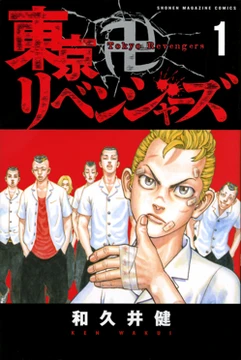
The Toman's Fragmentation is one of the most seismic turning points in the Tokyo Revengers saga: the moment the once-unified Tokyo Manji Gang shatters into rival factions, tearing the brotherhood that Manjiro Sano built apart at the seams. It is the wound in the timeline that Takemichi Hanagaki races across years to heal, and the event that reshapes every alliance, rivalry, and loyalty in the delinquent underworld. Rather than a single battle or a single betrayal, the Fragmentation is a slow, painful unraveling—driven by personal grudges, the machinations of outside forces, and the tragic choices of characters who once called each other brothers. Its aftermath defines the second half of the story and sets the stage for the final, all-consuming war.
- Event
- Toman's Fragmentation
- Gang Affected
- Tokyo Manji Gang (Toman)
- Central Figure
- Manjiro Sano (founder & leader)
- Key Antagonist Force
- Kisaki Tetta and Kazutora Hanemiya
- External Influence
- Tenjiku (a separate gang led by Izana Kurokawa)
- Narrative Role
- Primary timeline wound Takemichi Hanagaki attempts to rewrite
- Outcome
- Toman split into rival internal factions
Lore & Background
The Tokyo Manji Gang was, at its founding, a family. Manjiro Sano gathered misfits, outcasts, and dreamers under a single banner, and for a time the streets of Tokyo knew a gang that bled for its own before anyone else. That unity was the gang's soul. When the Fragmentation tore it apart, it was not merely a political split; it was the death of a promise. Members who had shared meals, taken blows for one another, and sworn oaths on blood found themselves on opposite sides of a fence that had not existed a season before. The fracture was not born of a single villain's whisper. It grew from layered wounds: Kisaki Tetta's cold manipulation and ambition, the psychological damage inflicted on Kazutora Hanemiya and the ripple that sent through every member who loved him, the cold calculus of Tenjiku's Izana Kurokawa pulling strings from the shadows, and the simple, brutal fact that a gang of young men with no adult structure will crack under pressure. Each faction that emerged carried a piece of the original Toman's identity—its loyalty, its ferocity, its code—but twisted toward a different center of gravity. For Takemichi, the Fragmentation is the scar he cannot stop touching. Every time-loop, every desperate punch thrown across decades, is an attempt to reach back into the moment the family broke and hold it together. The tragedy is that the forces driving the split are so human, so rooted in love and grief and pride, that no single villain can be punched out of the equation. The Fragmentation is, in the deepest sense, a story about what happens when a brotherhood is asked to choose between its members.
In Their Own Story
The rain had not stopped for three days. Taka stood at the edge of the abandoned lot where the old Toman hangout used to be, his knuckles split and crusted with dried blood. Across the street, two groups of delinquents faced each other—same jackets, same colors, but the insignia had been altered. One side had scratched a line through the old emblem. The other had replaced it with something new, something cold. He could see Ken's silhouette at the center of the western group, arms crossed, jaw tight. And on the eastern side, Manji stood smaller than he ever had, shoulders hunched, watching his own people like a man watching a house burn while he held the only key to the door. Taka's phone buzzed. A message from a number he did not recognize. One word: *Now.*
He ran.
Reader's Guide
The Fragmentation arc builds over several escalating confrontations within Toman. What begins as a simmering tension—Ken's growing distance from Manji, whispered alliances forming in the back rooms of the hangout—explodes when external pressure from Tenjiku and the psychological fallout surrounding Kazutora force every member to pick a side. Baji's faction exploits these fractures surgically, feeding old grievances and offering protection to those who feel abandoned by the leadership. The key players are Manji, who tries to hold the gang together through sheer will and personal sacrifice; Ken, whose ambition and pain drive him to carve out a rival power structure from within; Kazutora, whose trauma becomes the catalyst that makes loyalty feel like a chain; and Taka, who is simultaneously living through the crisis and racing to change it from the past. Chifuyu and the younger members find themselves caught, forced to choose between the brotherhood they grew up in and the faction that will actually protect them. The impact is total. Toman's unified front dissolves. Street territories that were once policed by a single gang become a patchwork of feuding sub-factions. The broader delinquent landscape shifts as Tenjiku and other gangs smell blood. For Taka, the Fragmentation becomes the single most important event to prevent, because every subsequent tragedy—the final war, the deaths, the betrayals—traces its root back to the night the family chose to stop being a family.
Did You Know?
- The Fragmentation is not a single fight scene but a slow, multi-chapter unraveling of trust, making it one of the most emotionally layered arcs in the series.
- Takemichi's entire time-travel motivation is anchored to preventing or softening the Fragmentation; without it, the later wars and deaths simply do not cascade the way they do.
- Kazutora's psychological state is the emotional fulcrum of the split—his pain radiates outward and forces every member of Toman to confront what the gang actually owes its own.
- The Fragmentation's aftermath reshapes the power balance across the entire delinquent underworld, giving Tenjiku and other factions their openings.
Frequently Asked Questions
What is The Toman's Fragmentation in Tokyo Revengers?
It is the pivotal collapse of the Tokyo Manji Gang, where the unified brotherhood that Manjiro Sano built fractures into warring factions. Rather than a single decisive battle, it unfolds as a slow unraveling of loyalties and alliances across the delinquent underworld.
Who are the key figures driving The Toman's Fragmentation?
Manjiro Sano stands at the center as the founder whose vision the gang is torn apart from, while Ken Ryuguji acts as the primary antagonistic force accelerating the split. Tenjiku, Baji's faction, serves as the outside pressure that further destabilizes Toman's internal bonds.
How does The Toman's Fragmentation end in the story?
The Fragmentation is framed as a wound in the timeline that Taka (Takahashi Itamoto) races across years to heal and rewrite. Its resolution is not a clean victory but a painful reconstruction of the brotherhood that was shattered.
Why is The Toman's Fragmentation considered the most important turning point in the saga?
It permanently reshapes every alliance, rivalry, and loyalty in the delinquent world, turning one cohesive gang into a patchwork of rival factions. Every subsequent arc and character decision flows from the rift this event opens.
What causes The Toman's Fragmentation to happen?
It is driven by a combination of personal grudges among members, the machinations of outside forces like Tenjiku, and tragic circumstances that erode trust from within. No single betrayal triggers it; instead, the brotherhood simply frays under accumulated pressure until it breaks.
More in Story & Timeline
Elsewhere in the Tokyo Revengers universe
Spotted an error? Know more?
This is a living reference — every entry is fact-audited, and reader corrections feed straight into our audit queue. Suggest an edit · See this site's audit record