
Shibuya Station
Where the trains stop but the fights never do — Shibuya is Toman's front porch and the world's loudest crossroads.

via Wikipedia: Shibuya · see source
Shibuya Station is the thundering heart of Tokyo Revengers' urban landscape — a colossal transit hub where the screech of train brakes, the roar of crowds, and the clatter of leather-soled shoes on platform tiles form the soundtrack of every gang's daily life. As the central artery of Shibuya, it anchors the home territory of the Tokyo Manji Gang (Toman) and serves as the stage where alliances are forged, rivalries are tested, and the line between protection and violence blurs. For readers and viewers, the station is more than a backdrop.
- Key characters associated
- Manjiro Sano (Mikey), Ken Ryuguji (Draken), Takemichi Hanagaki
Verified Timeline
Lore & Background
In the world of Tokyo Revengers, Shibuya Station is less a building than a living organism. Its platforms pulse with the rhythm of a city that never fully sleeps, and its underground concourses become natural arenas where the social hierarchies of schoolyard gangs play out in real time. Toman treats the area around the station as its own — not through any formal claim, but through the simple, unspoken rule that if you walk these corridors, you do so under their watch. Mikey's quiet, almost gravitational presence on the platforms is enough to keep lesser crews from pushing too far, while Draken's booming laughter and easy charm turn strangers into reluctant allies. The station's architecture — the sweeping glass canopies, the tangle of JR, Keio, Tokyu, and subway lines stacked like geological strata — gives the story a vertical, layered geography. A confrontation on the JR platform echoes differently than a whispered threat in the subway ticket gates. For Takemichi, the station is the threshold between his grey, salaryman-adjacent present and the electric delinquent past he keeps stumbling into. Every time he crosses those turnstiles, the air smells of rain on concrete, cheap tobacco, and possibility. It is the one place in Tokyo where the past and the future feel equally close, separated by nothing more than the length of a platform and the chime of an approaching train.
In Their Own Story
The 8:47 Keio bound for Shinjuku hissed to a stop, and the doors exhaled a wave of warm, recycled air over Takemichi's damp jacket. He was late. He was always late. The platform was a river of black umbrellas and phone screens, and somewhere in the shuffle he caught the flash of a familiar white shirt — Mikey, leaning against the pillar with his hands in his pockets, staring at the tracks like they owed him money. Beside him, Draken was mid-gesture, telling a story to a kid in a school uniform, his whole body a grin. Takemichi's phone buzzed. A text from an unknown number: *You're in the wrong time. Get to the station. Now.* He looked up. The platform was emptying. Mikey had already turned, his dark eyes finding Takemichi across the crowd with the calm certainty of a man who had always known exactly where he'd be. The doors began to close. Takemichi ran.
Reader's Guide
Shibuya Station is the geographic and narrative anchor of Tokyo Revengers. In the real world it is one of Tokyo's busiest interchanges, stacking JR, private railway, and subway lines into a multi-level labyrinth. In the story, it functions as Toman's de facto headquarters: the open forecourt and surrounding streets are where the gang's presence is most visible, where new recruits are tested, and where rival crews feel the weight of their reputation. Its role is structural as much as symbolic. The station's layered platforms and concourses give the narrative a natural verticality — a fight on the JR level, a negotiation in the subway gates, a quiet conversation on the rooftop overlooking the crossing. Each level reads as a different social register, and the characters move between them the way they move between loyalty and doubt. Why it matters: Shibuya Station is where the audience first sees the world's rules in action. The Mikey-and-Draken rescue scene establishes Toman's code, the station's crowds establish the stakes (there are always bystanders, always a public eye), and the constant motion of trains establishes the series' central metaphor — time is always arriving, always departing, and you either board or you're left on the platform. If you want to understand the emotional geography of Tokyo Revengers, you start here, at the turnstiles, with the sound of the next train already building in the distance.
Did You Know?
- Shibuya Station in real life handles millions of passengers daily, making it one of the most heavily used transit hubs on the planet — a fact the anime leans into by rendering its platforms as dense, almost overwhelming
- The station's multi-line structure (JR, Keio, Tokyu, and Tokyo Metro) gives the story a natural layered geography: different levels of the station read as different social spaces, from the open forecourt to the enclosed
- The iconic first-meeting scene between Mikey and Draken — shielding a young woman from older delinquents — takes place in the open, sunlit area around the station, establishing Toman's founding principle of protecting th
- For the protagonist Takemichi, the station is the literal threshold between his mundane present and the delinquent past he keeps being pulled into, making it the series' most repeated 'point of no return'.
From Clan Fortress to Modern Ward
Shibuya's identity stretches back to the early 1160s, when a cadet branch of the Taira clan—descended from Taira no Yoshifumi—came to hold the land and gave it their name. They even raised a fortress near what is now the Konnō Hachimangu Shrine. That line of rule ended abruptly on January 13, 1524, when the Later Hōjō clan defeated the local Shibuya branch during the Sengoku period and absorbed the territory. Centuries later, during the Edo period, the neighborhood of Maruyamachō along Dōgenzaka flourished as a trading town on Oyama Road, the route that corresponds to today's Route 246. The Meiji era brought a different character, with the area gaining a reputation as a Hanamachi. The arrival of railways in the nineteenth century transformed Shibuya into a terminus, and the village—formed in 1889 from the merger of Kami-Shibuya, Naka-Shibuya, and Shimo-Shibuya—grew steadily. It became a town in 1909, merged with neighboring Sendagaya and Yoyohata in 1932 to form a suburban ward of Tokyo, and was reclassified as an urban special ward under the Local Autonomy Act in 1947.
Hachikō, the Crossing, and Global Fame
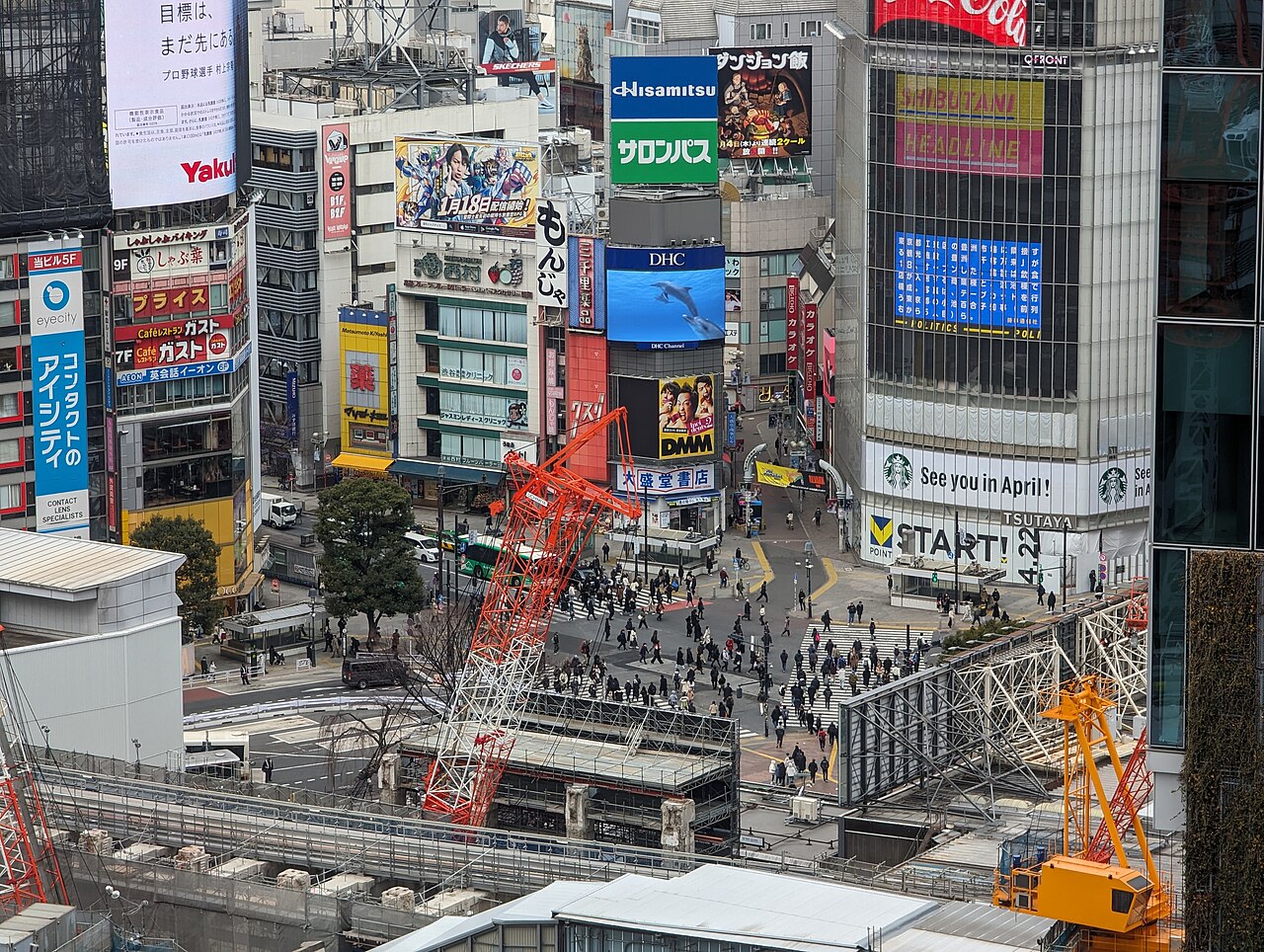
Few landmarks in Tokyo carry as much emotional weight as the statue of Hachikō standing adjacent to Shibuya Station. The dog faithfully waited for his deceased master at the station every single day between 1923 and 1935, and his story of unwavering loyalty became a national sensation that eventually transcended Japan's borders. Today, Hachikō Square remains one of the most popular gathering spots in the neighborhood. The station itself belongs to a pair—along with the southern half of Shinjuku Station—that ranks among the busiest railway stations in the world. The Shibuya Crossing, widely recognized as the busiest pedestrian crossing on the planet, is another defining feature of the area. Combined with the sweeping panoramic view of the city available from the rooftop of Shibuya Scramble Square, these three elements—Hachikō, the crossing, and the skyline vista—have become internationally recognized tourist attractions that shape how the world perceives Tokyo.
Youth Culture and the Seibu–Tokyu Rivalry
For much of its early history, Shibuya was a modest area that grew up around its railway terminus. That changed dramatically in the 1970s, when the neighborhood overtook Shinjuku as Tokyo's primary hub for youth culture. A key driver was the fierce commercial competition between two railway companies. Seibu pushed forward with projects like Shibuya Parco, while Tokyu developed landmarks such as Tokyu Hands and the iconic Shibuya 109. Their parallel efforts to build the area into a commercial center amplified its appeal to young people, and that energy radiated outward into neighboring districts like Harajuku. The cultural momentum continued into the mid-1990s, when the Shibuya-kei microgenre of pop music broke into the mainstream. Characterized by a cut-and-paste production style, the genre peaked in the late 1990s before its principal artists began shifting toward other musical directions. Together, the retail rivalry and the music scene cemented Shibuya's identity as the ward where Tokyo's younger generation gathered, shopped, and created.
The Once-in-a-Century Redevelopment
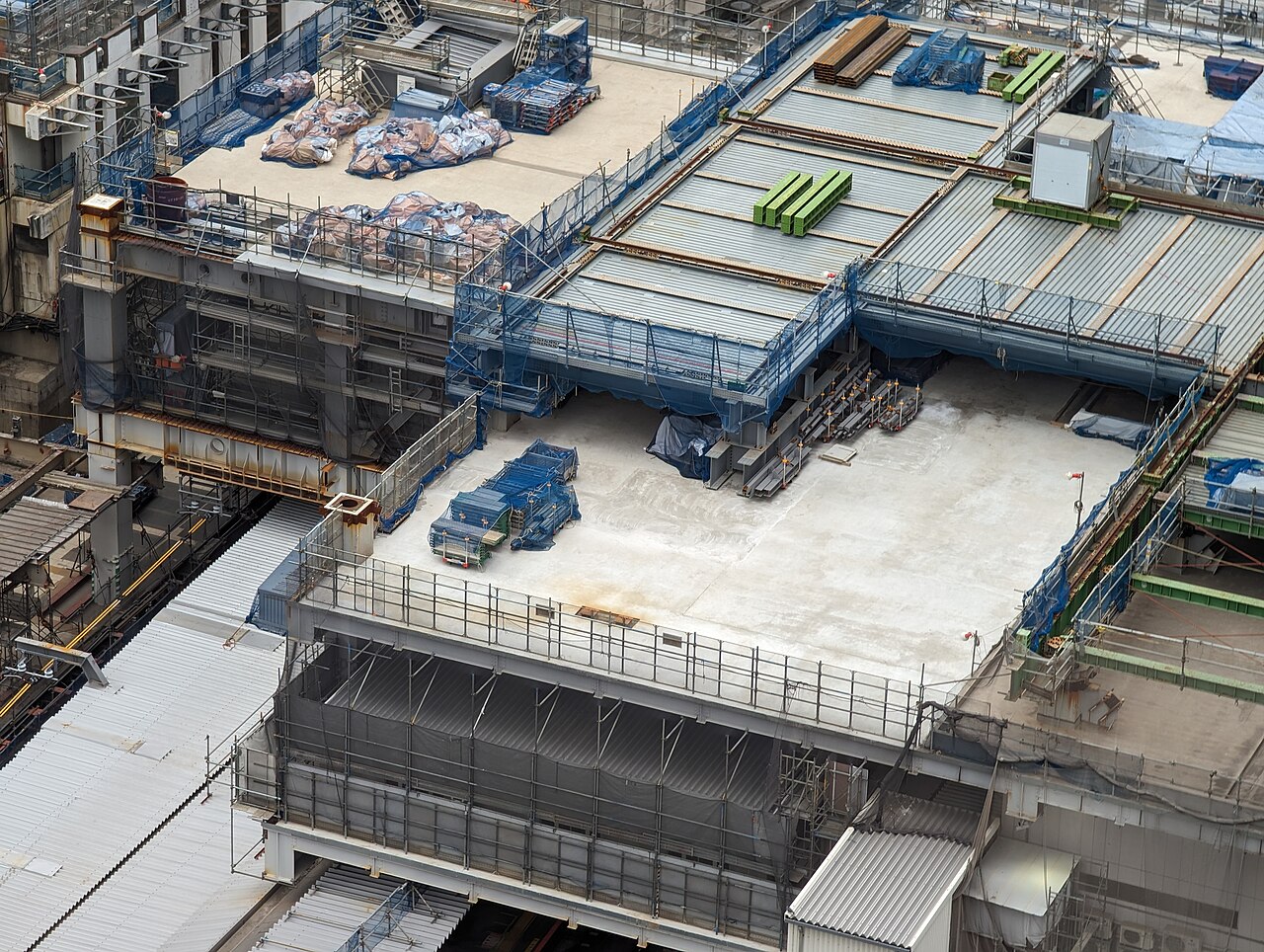
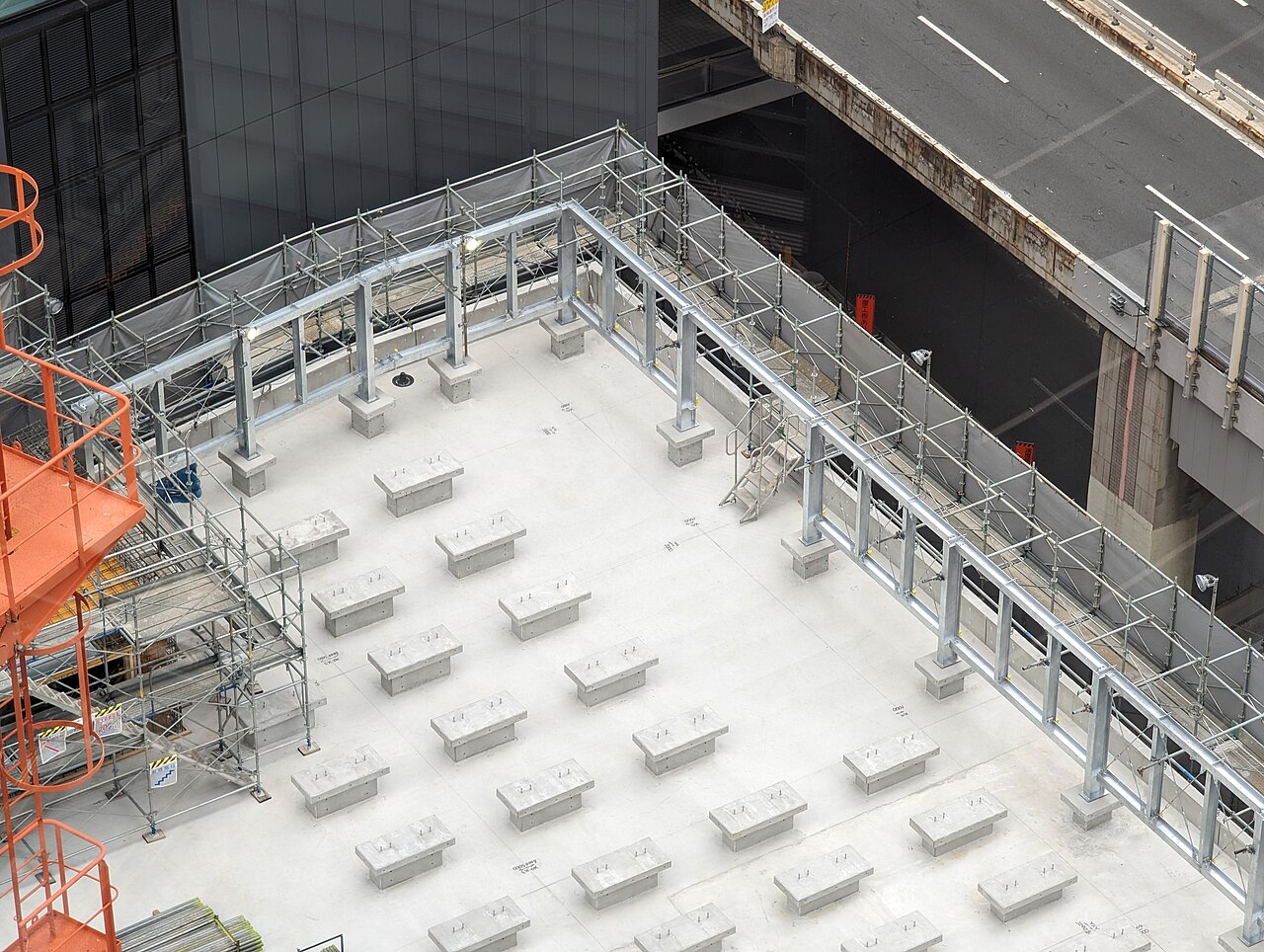
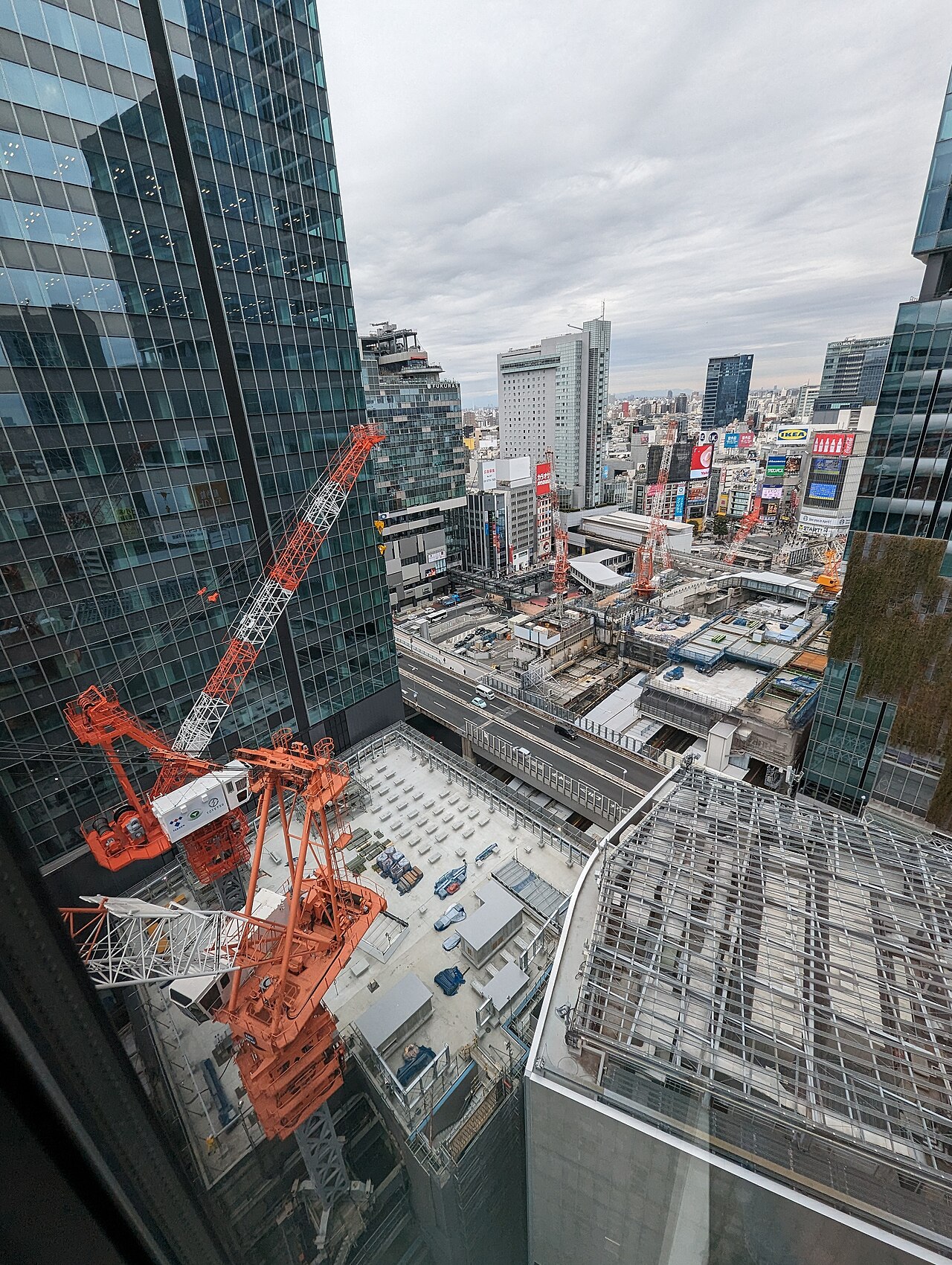
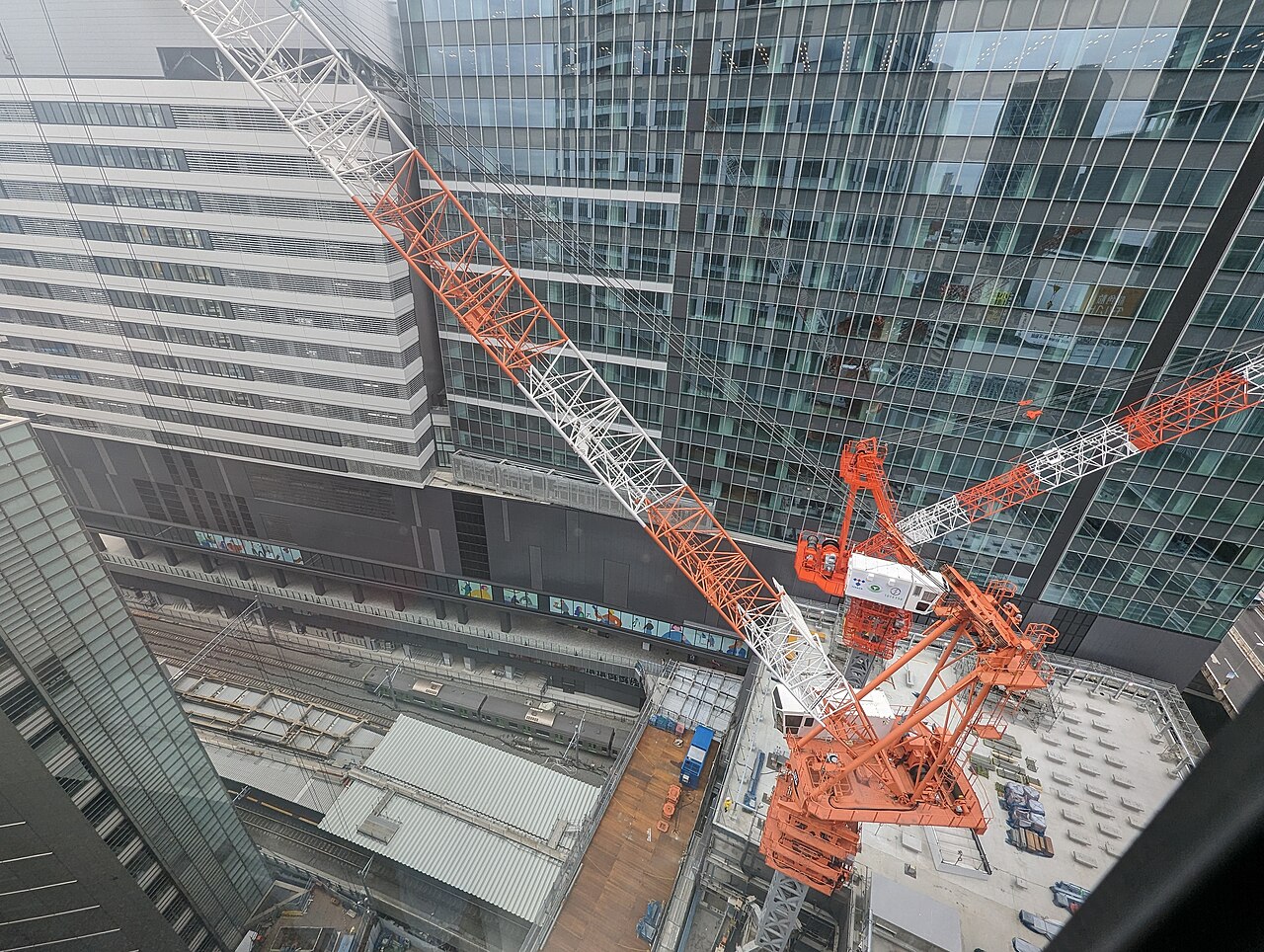
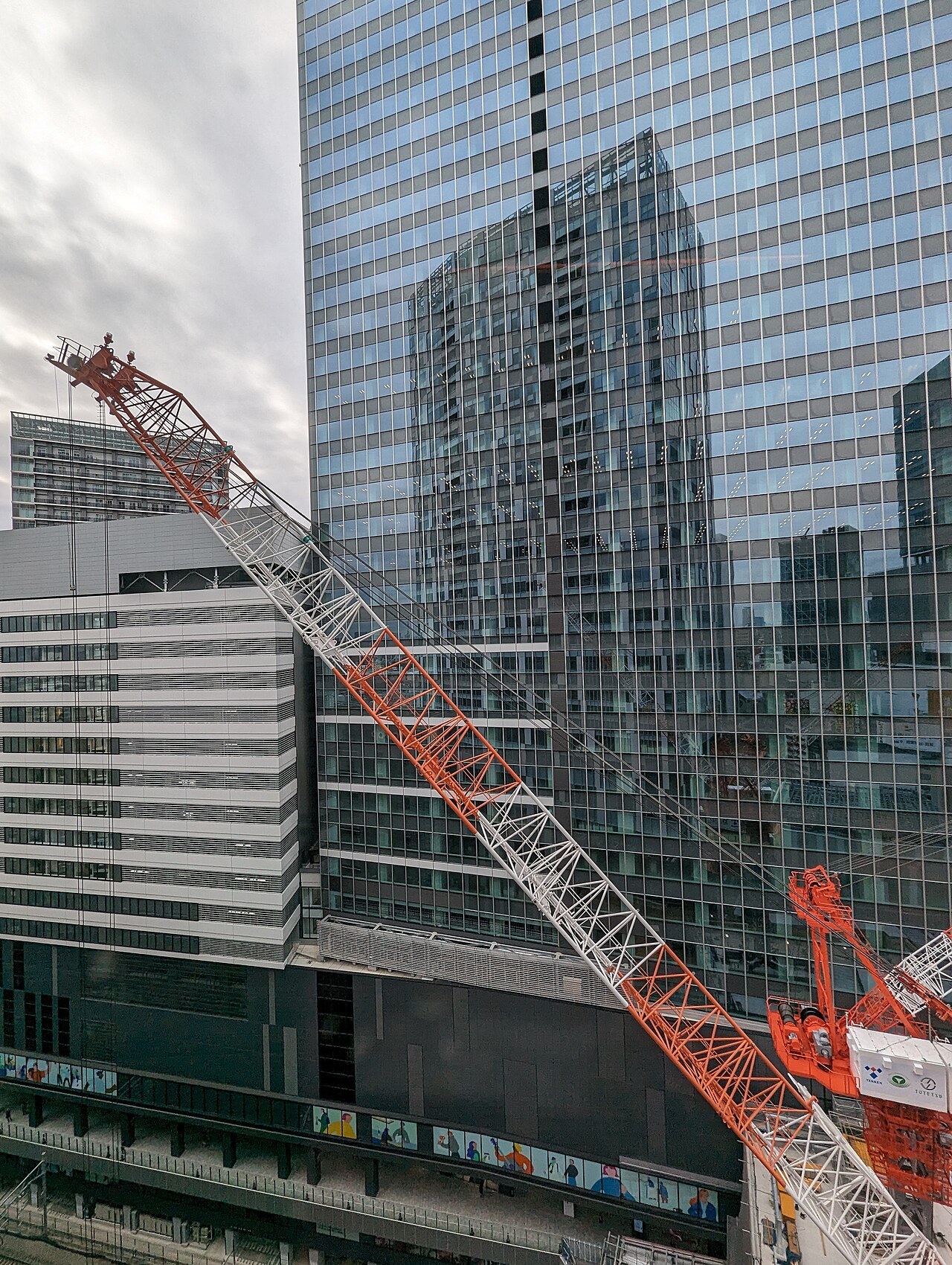
What began as a station-area project has grown into what observers describe as a transformation that happens only once in a hundred years. In 2005, the Japanese government formally designated the district as an Urban Renewal Area. After extensive discussions involving scholars, the Ministry of Land, Infrastructure, Transport and Tourism, the Tokyo Metropolitan Government, the Shibuya City Office, and railway operators including Tokyu Corporation, JR East, and Tokyo Metro, a master plan was unveiled in 2008. Full-scale construction officially launched in 2010 after metropolitan approval. The scope is enormous: existing station facilities were demolished, the Tōyoko Line was driven underground, the Ginza Line platform was relocated, and the Saikyō Line platform was repositioned to run parallel to the Yamanote Line. Several commercial buildings gave way to high-rise complexes such as Shibuya Hikarie, Shibuya Stream, Shibuya Fukuras, Shibuya Sakura Stage, and Shibuya Scramble Square. Because train service had to continue throughout construction and the pedestrian network was revised mid-project, completion has slipped to fiscal year 2034—seven years later than originally anticipated.
Gallery
Frequently Asked Questions
What is Shibuya Station in Tokyo Revengers?
It is the primary transit hub in the series' Shibuya setting and functions as the territorial center for the Tokyo Manji Gang. Most of Toman's confrontations, introductions, and day-to-day gang life unfold on or around its platforms and surrounding streets.
Why is Shibuya Station so central to the Tokyo Revengers story?
Because it is Toman's home ground, nearly every major rivalry, alliance negotiation, and character introduction is staged there. The station effectively serves as the story's main physical stage, anchoring the gang's identity to a specific, recognizable urban space.
Which Tokyo Revengers characters are most tied to Shibuya Station?
Mikey (Manjiro Sano) and Draken (Chifuyu Takemichi) are the two figures most closely associated with the station as Toman's leaders, while Takemichi Hanagaki's personal arc is deeply rooted there as a former member. The station is where their gang's presence is physically established.
Is Shibuya Station in Tokyo Revengers based on a real location?
Yes, it mirrors the actual Shibuya Station in Tokyo, one of the highest-volume railway and subway interchanges in the world. The series uses that real-world scale and bustle to ground its gang drama in a believable, everyday urban environment.
What kinds of events typically take place at Shibuya Station in the series?
The station is the recurring ground for Toman-versus-rival-gang clashes, territorial standoffs, and the chaotic brawls that define the show's tone. It is also where the thin line between protecting a neighborhood and settling personal scores gets tested most visibly.
More in World & Setting
Elsewhere in the Tokyo Revengers universe
Spotted an error? Know more?
This is a living reference — every entry is fact-audited, and reader corrections feed straight into our audit queue. Suggest an edit · See this site's audit record